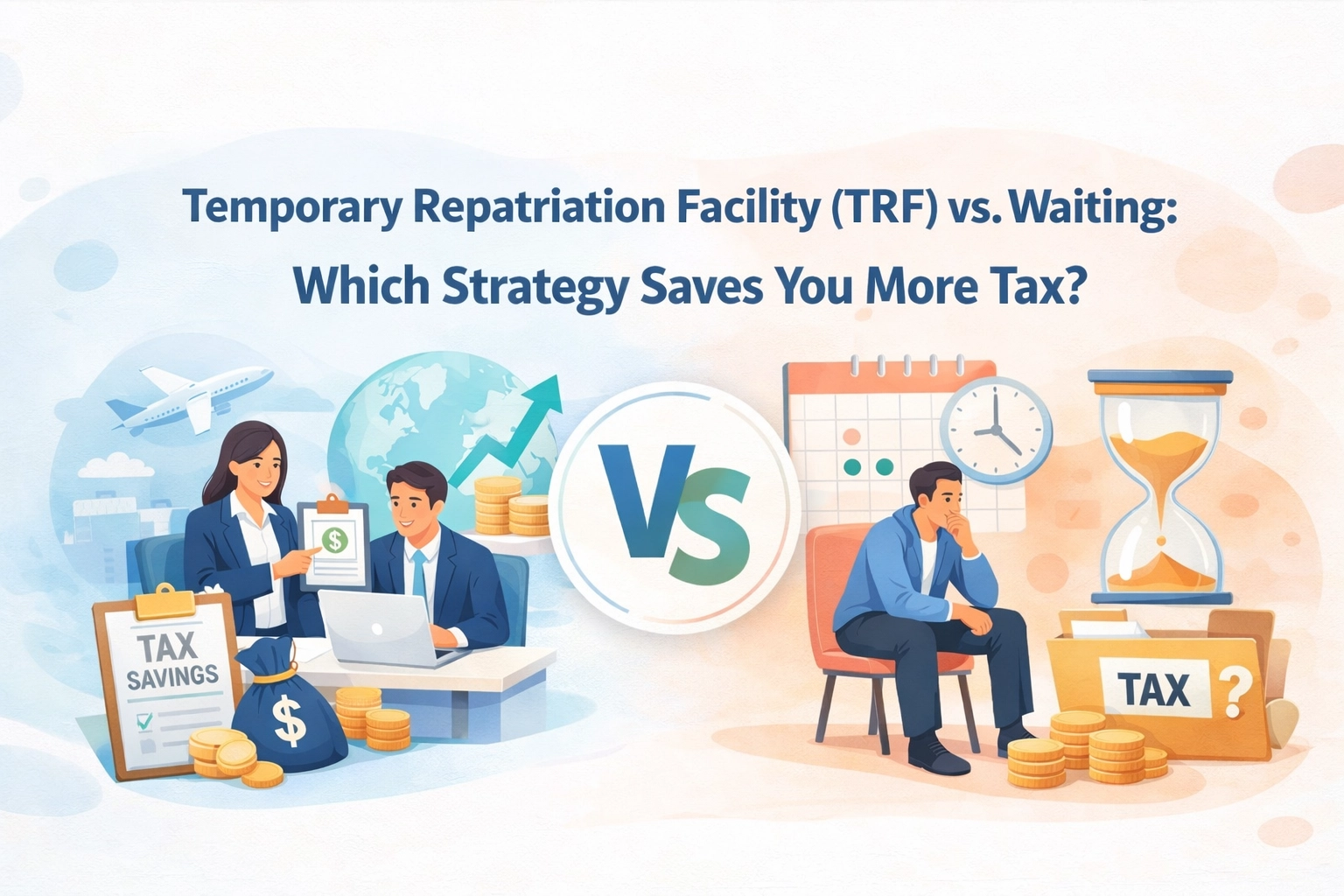
Here's the thing about the Temporary Repatriation Facility: it's temporary. That word is doing a lot of heavy lifting, and if you're sitting on offshore income or gains wondering whether to use it or just... wait it out, you need to understand exactly what you're gambling with.
The TRF isn't just another tax scheme, it's a limited-time offer from HMRC that could save you literally hundreds of thousands of pounds. But only if you act within specific windows. Miss those deadlines, and you're back to paying standard remittance rates that'll make your eyes water.
Let's break down the maths, the strategy, and whether waiting is actually a plan or just procrastination in disguise.
What Exactly Is the Temporary Repatriation Facility?
The TRF emerged as part of the 2025 Foreign Income and Gains (FIG) regime overhaul, HMRC's way of saying "we're changing the rules, but we'll give you one last chance to bring money back cheaply."
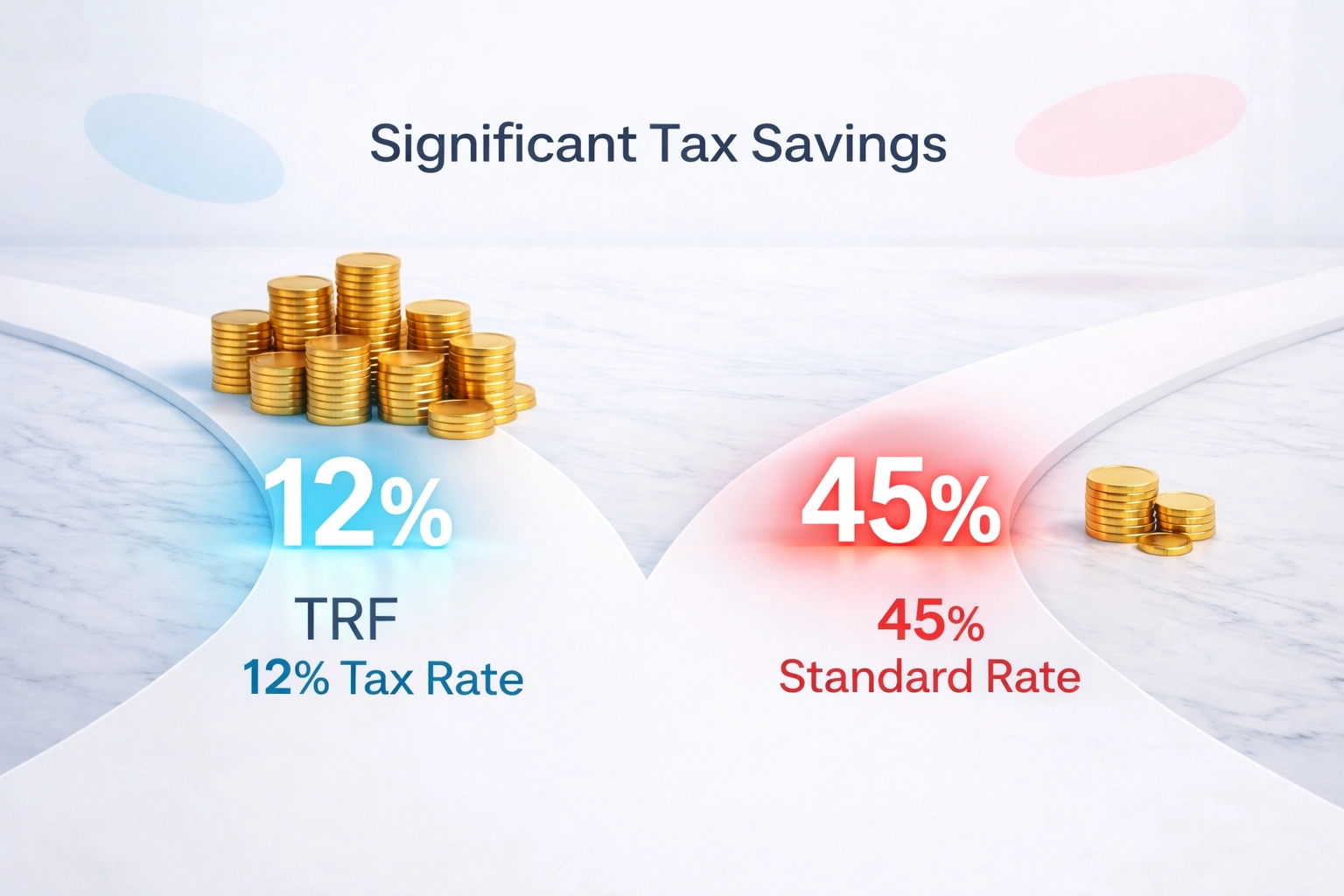
If you've got foreign income or gains sitting offshore that would normally be taxed at punitive rates when remitted to the UK, the TRF lets you designate those amounts and pay a massively reduced flat rate instead. We're talking 12% for the first two tax years, then 15% for the third year.
The facility is specifically designed for individuals who:
Previously claimed the remittance basis under the old regime
Have untaxed foreign income and gains accumulated before 6 April 2025
Are still UK tax resident (or will be during the TRF window)
It's not a scheme for everyone. But if you fit the profile, the savings are genuinely eye-watering.
The Numbers: Why TRF Demolishes Waiting
Let's get straight to what matters, your actual tax bill. Standard remittance taxation (if you wait and bring money to the UK later) charges you at your marginal income tax rate:
Basic rate: 20%
Higher rate: 40%
Additional rate: 45%
For capital gains, you're looking at:
Basic rate: 18%
Higher rate: 24%
Now compare that to TRF rates:
2025/26 tax year: 12% flat rate (deadline: 31 January 2028)
2026/27 tax year: 12% flat rate (deadline: 31 January 2029)
2027/28 tax year: 15% flat rate (deadline: 31 January 2030)
Here's a real-world example. You've got £2 million in foreign income you'd like to bring to the UK to buy a property or invest:
Using TRF (2025/26): £2,000,000 × 12% = £240,000 tax Waiting and remitting later: £2,000,000 × 45% = £900,000 tax Your savings:£660,000
That's not a typo. You could save over half a million pounds by using the facility instead of waiting.
The Deadline Trap: Why "I'll Think About It" Is Expensive
Here's where people get themselves in trouble, they assume they can evaluate this leisurely and decide in a few years. Wrong. The TRF has hard deadlines that are absolutely non-negotiable:
For 2025/26: You must file your election by 31 January 2028
For 2026/27: You must file by 31 January 2029
For 2027/28: Final chance, deadline 31 January 2030
After that? The facility closes. Forever. Any remittances you make from that point forward get taxed at standard rates, potentially 45% for income or 24% for gains.
But here's the kicker: if you leave the UK and later return, you can't retroactively access the TRF. So if your plan is "I'll just wait until I'm non-resident, then come back," you've locked yourself out of the facility entirely.
The facility is temporary by design. HMRC isn't being generous, they're giving you one window to make a decision. Close it, and it stays closed.
How Designation Actually Works (And Why It's Brilliant)
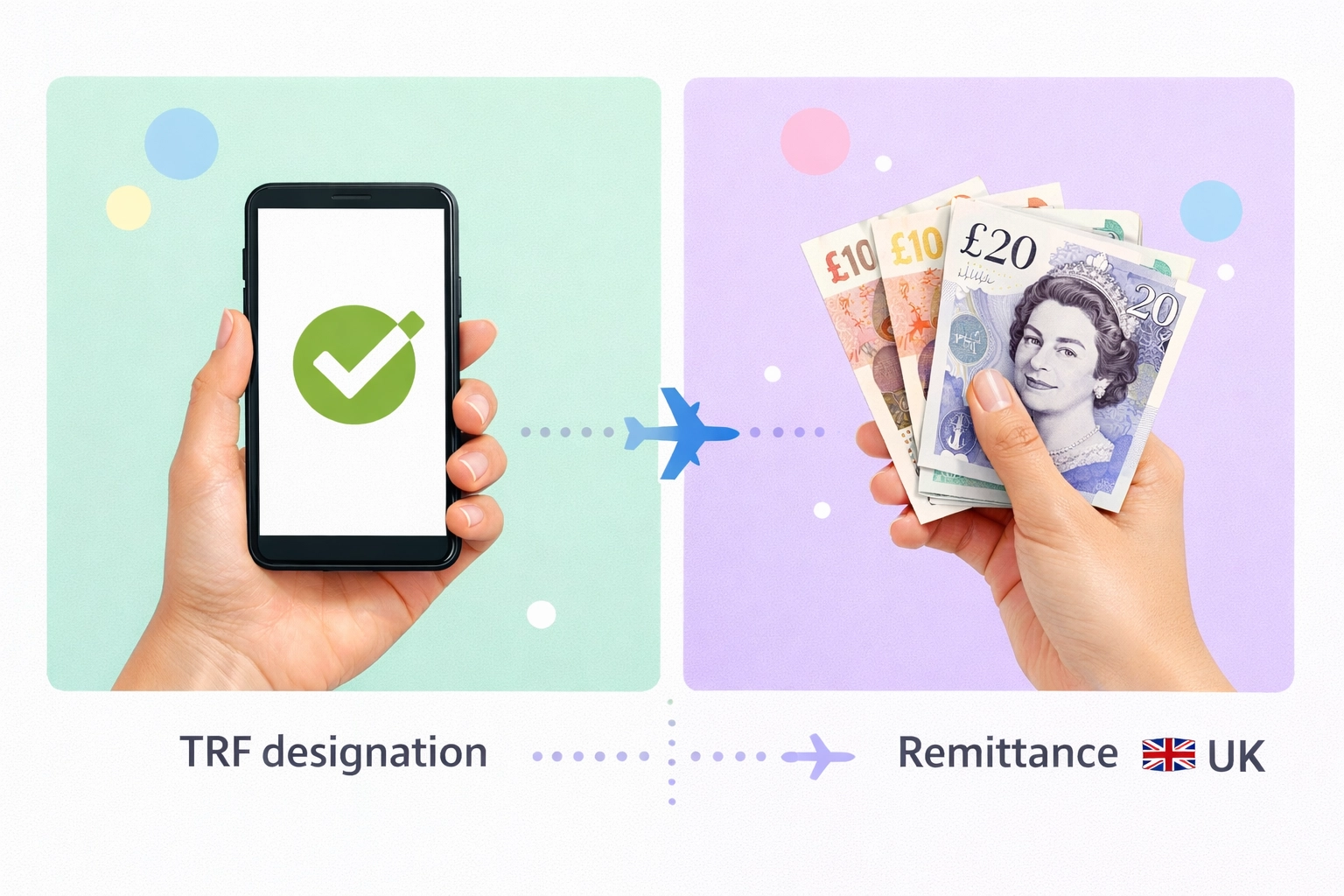
One of the most misunderstood aspects of the TRF is that designation is not the same as remittance. When you elect to use the TRF, you're not required to physically bring the money into the UK immediately. Instead, you:
Designate the foreign income or gains in your Self Assessment tax return
Pay the 12% or 15% tax on the designated amount
Remit the funds whenever you want, tomorrow, next year, or never
This separation of tax payment from cash flow is incredibly powerful for planning purposes.
For example, you might designate £5 million of offshore gains in the 2025/26 tax year, pay £600,000 in tax, but leave the actual funds offshore for another three years while you figure out your UK property strategy. Once designated and taxed under TRF, those funds can come into the UK at any future point without additional UK tax.
This also means you can strategically designate amounts you might want to bring to the UK later, locking in the low rate as insurance, even if you're not certain about remittance timing.
Strategic Scenarios: When Waiting Might (Rarely) Make Sense
Look, we're not saying the TRF is a no-brainer for everyone. There are scenarios where waiting could theoretically work:
Scenario 1: You're planning permanent emigration
If you're genuinely leaving the UK for good within the next few years and have no intention of ever remitting funds to the UK, the TRF is irrelevant. You won't be remitting, so you won't face UK tax on those amounts anyway.
But, and this is a big but, life changes. Relationships, career opportunities, family circumstances. Banking on "I'll never need UK access" is risky.
Scenario 2: Your offshore amounts are minimal
If you've only got £50,000 sitting offshore, the administrative effort and professional fees to engage with the TRF might outweigh the tax savings. At 12%, you'd save about £16,500 versus the 45% rate, worthwhile, but perhaps not worth the complexity for smaller amounts.
Scenario 3: You're holding out for a better deal
Some people are gambling that HMRC will introduce another, even better facility in future. This is... optimistic. The trend in UK tax policy is toward stricter compliance, not more generous concessions. Waiting for a mythical "TRF 2.0" at 5% is likely to leave you paying 45%.
For the vast majority of people with significant offshore wealth, waiting means losing access to the facility entirely. And that's not a strategy, it's just expensive inertia.
Making Your Decision: The Questions to Ask
If you're trying to figure out whether to use the TRF or wait, here are the critical questions you need honest answers to:
1. How much foreign income and gains do you have offshore?
The larger the amount, the more meaningful the tax savings. If you're sitting on seven or eight figures, the TRF could save you enough to buy a house, in cash.
2. Do you plan to remit any of these funds to the UK?
If the answer is "definitely yes" or even "probably yes," the TRF is a no-brainer. Even a "maybe" probably justifies designation as insurance.
3. Are you certain about your long-term residence plans?
If there's any chance you'll remain UK resident beyond 2030, waiting eliminates your ability to use the facility. That's a huge risk.
4. Can you afford the upfront tax payment?
The TRF requires you to pay the 12% or 15% tax on designation, even if you don't immediately remit. You need liquidity to make this work. That said, compared to the alternative of 45% later, it's still a bargain.
The Bottom Line: Time Is Your Biggest Risk
Here's what it comes down to: the Temporary Repatriation Facility offers tax rates that are historically exceptional: 12% flat on foreign income that would otherwise face 45%. For most people with significant offshore wealth who plan to remain in the UK or might need access to those funds, waiting is not a strategy. It's a gamble that usually loses.
Get in touch for a confidential, no-obligation quotation.
If you're still unsure whether the TRF makes sense for your situation, the smart move is to get specialized advice now while you still have options. We help clients navigate the TRF elections, calculate potential savings, and structure designations to maximize tax efficiency.
Left the UK but still earning from a UK employer, pension, or business? Discover how HMRC taxes non-residents and how to use tax treaties to your advantage.
Moving to the UK? Learn about the new FIG (Foreign Income and Gains) regime. Our beginner's guide explains how to get a 4-year tax holiday on foreign income.
Selling your UK home while living abroad? Learn how Capital Gains Tax (CGT) works for expats and how to report it correctly to HMRC. Get expert UK expat tax advice.
Master the UK Statutory Residence Test (SRT) for 2026. Learn how the automatic tests, sufficient ties, and the new FIG regime affect your expat tax status.
Missed reporting overseas earnings to HMRC? Learn how the Worldwide Disclosure Facility (WDF) works and how to fix your UK tax return without the stress.
HMRC’s Let Property Campaign: How to Declare Your Rental Income
Caught out with undeclared rental income? Our guide to HMRC's Let Property Campaign helps accidental landlords disclose tax safely and minimize penalties in 2026.
HMRC is using new 2026 CRS data rules to track e-money and offshore assets. Learn how voluntary disclosure can save you from 200% penalties and "nudge letters."
Selling property abroad? Compare DIY filing vs. hiring a UK tax advisor for your CGT return. Learn about HMRC's 60-day rule, currency traps, and expert tax advice for expats to avoid penalties.